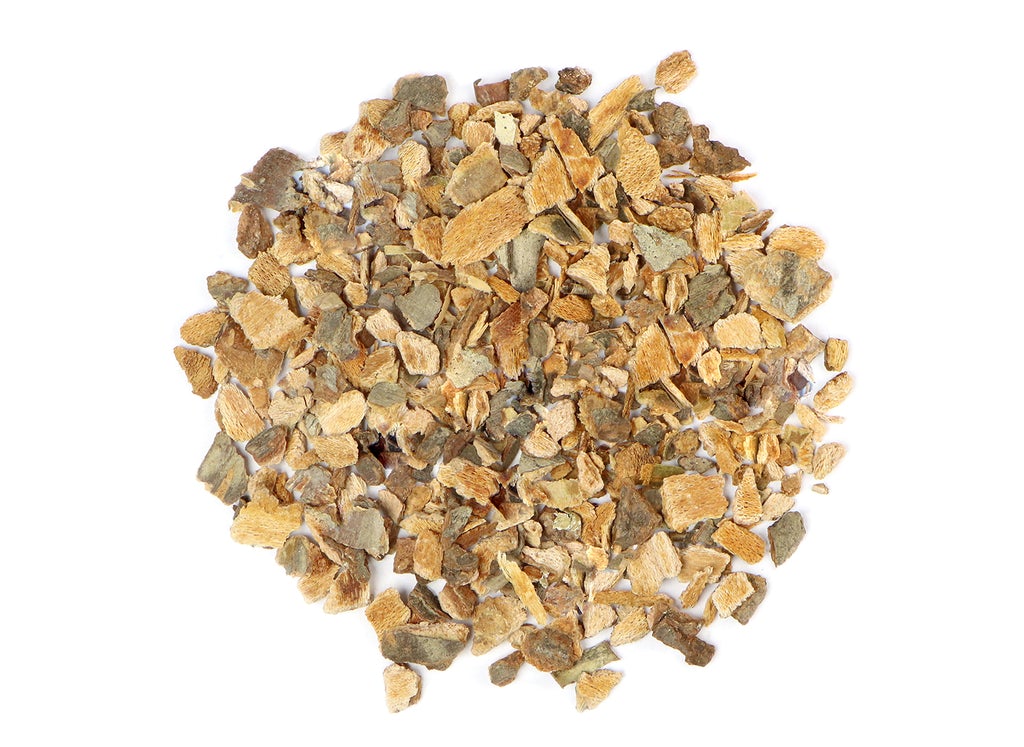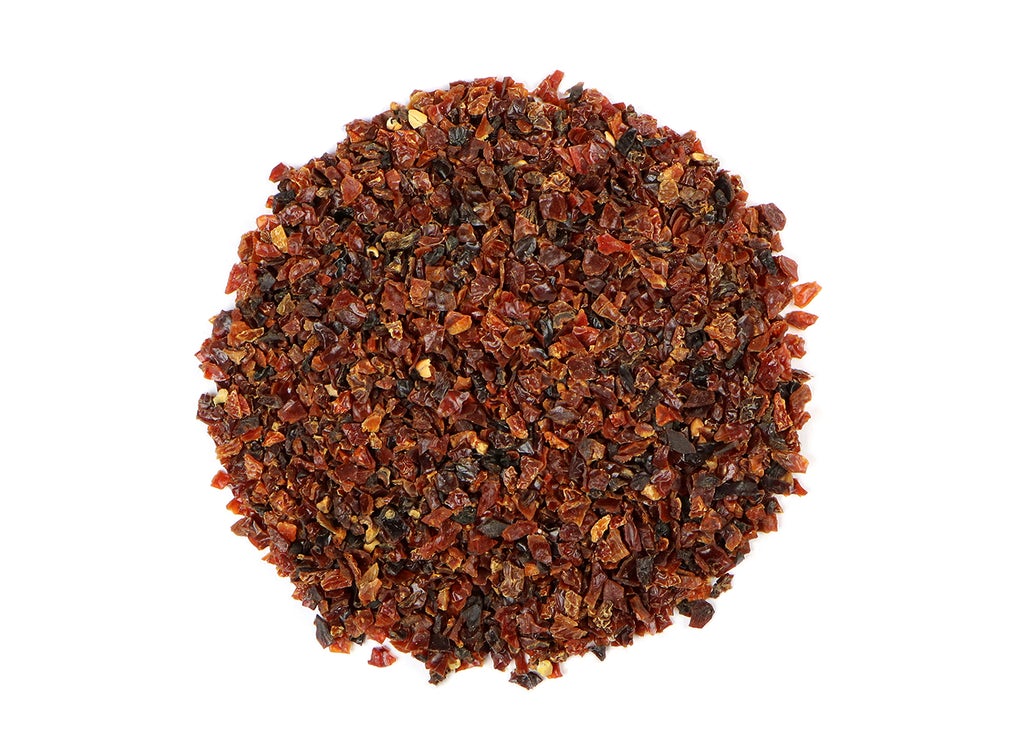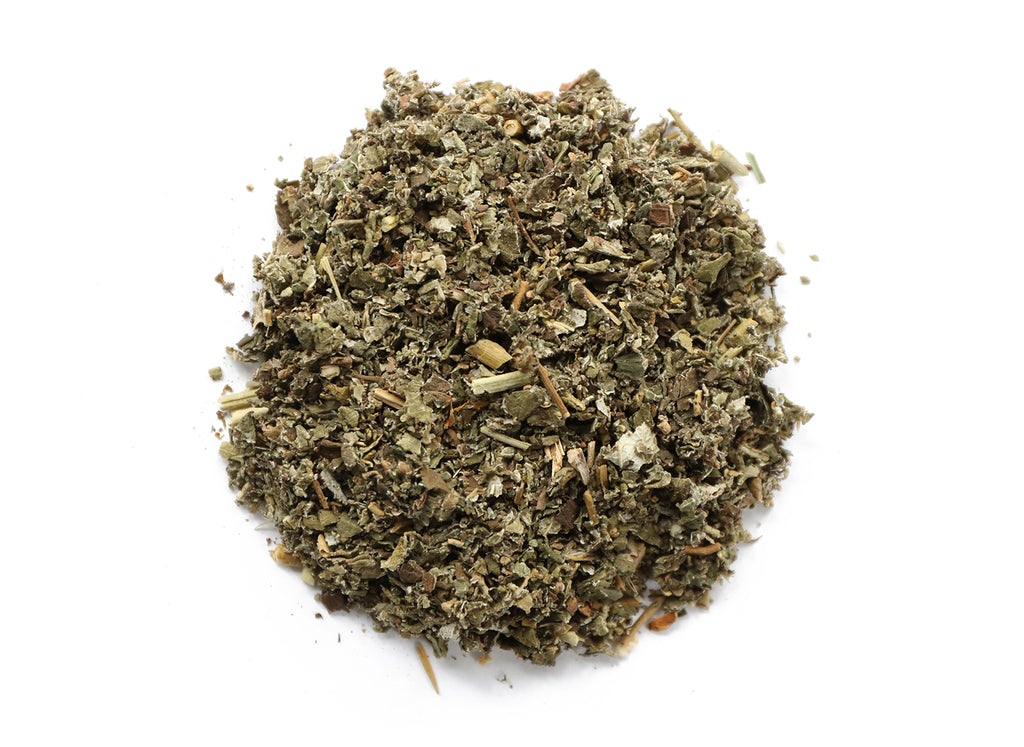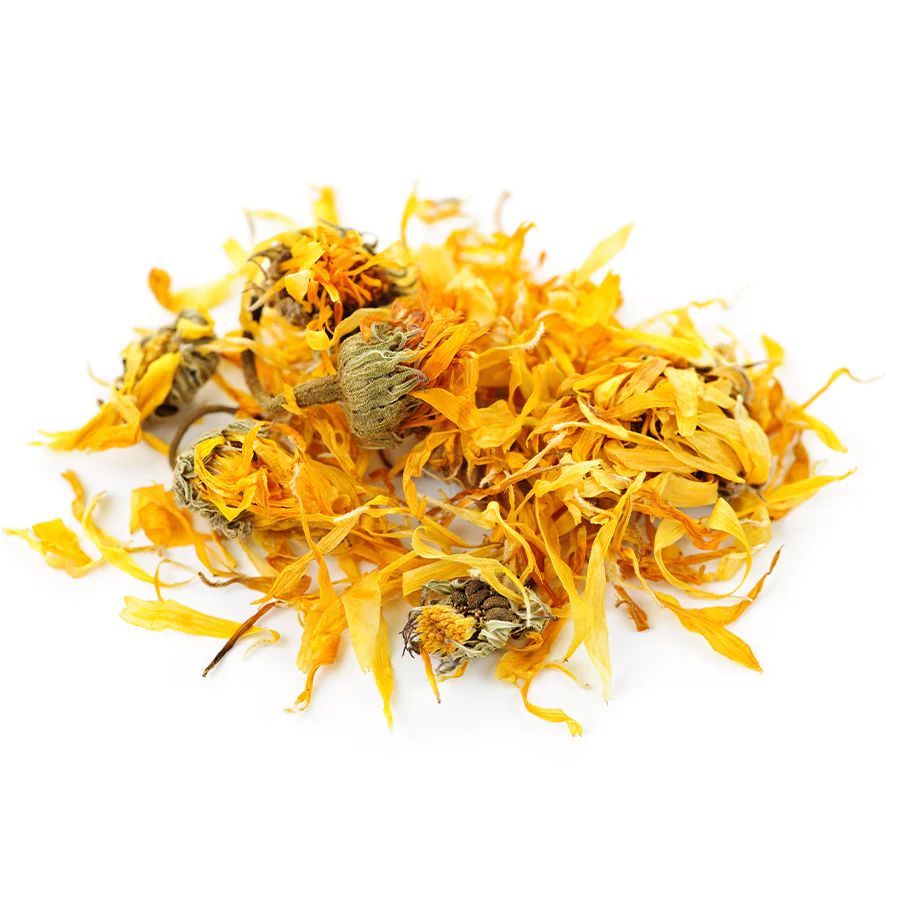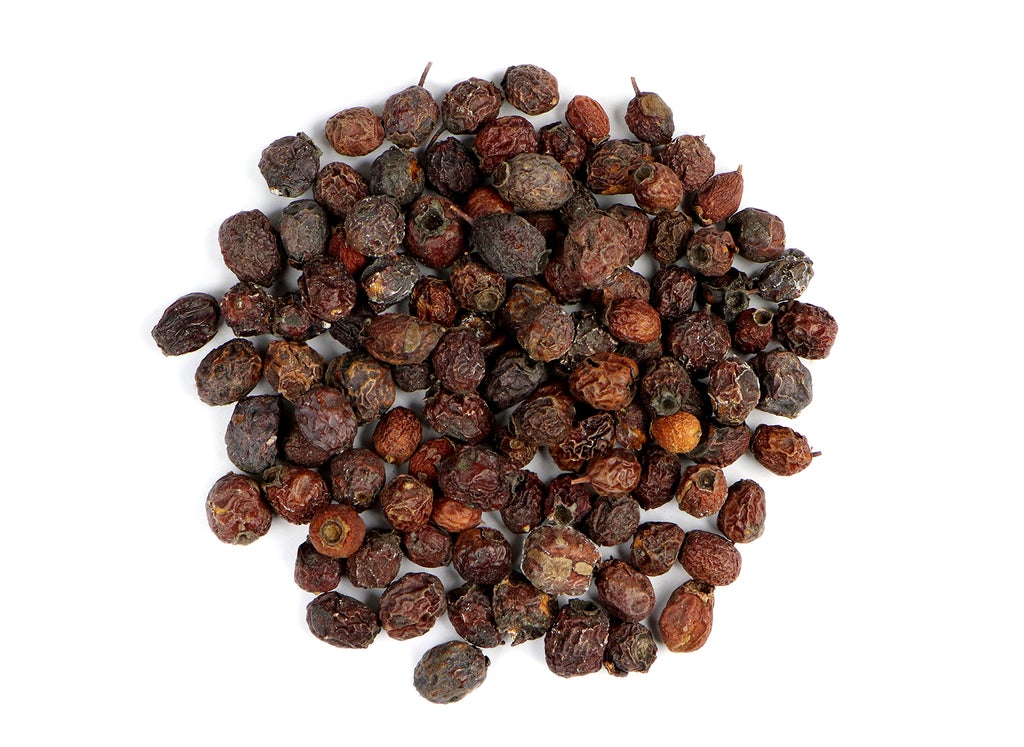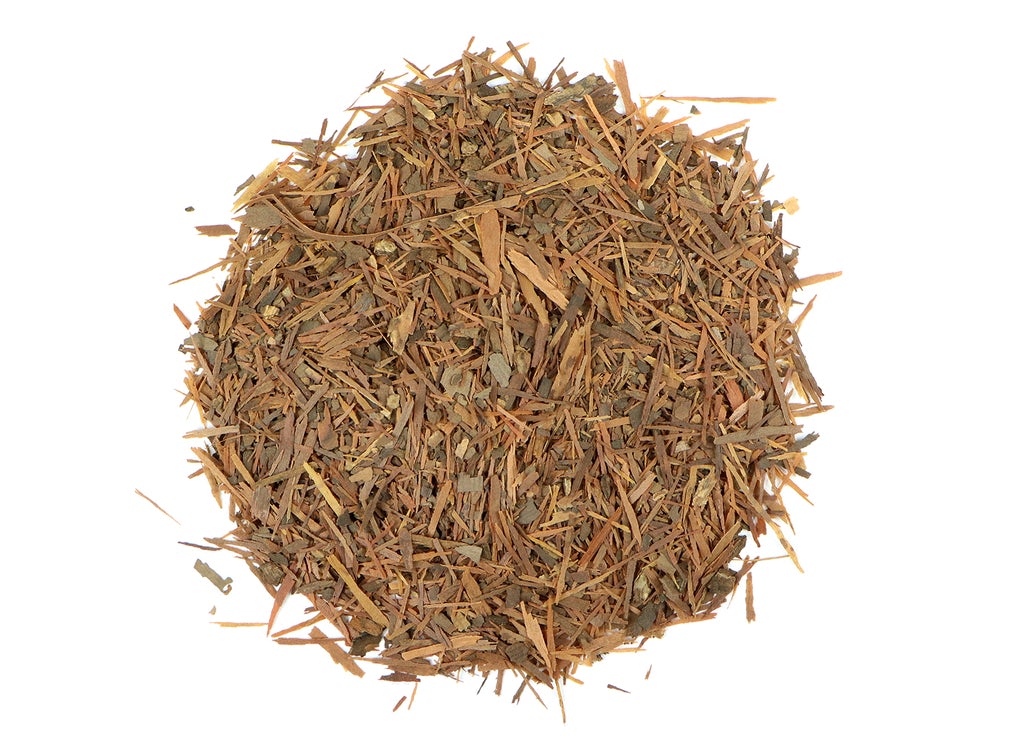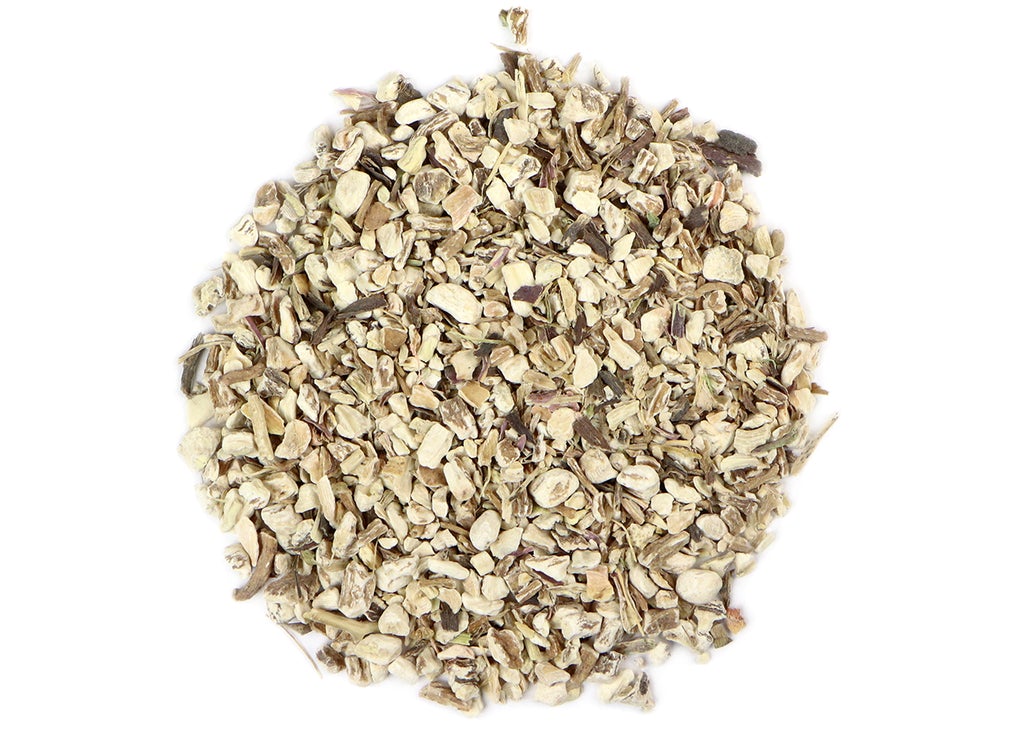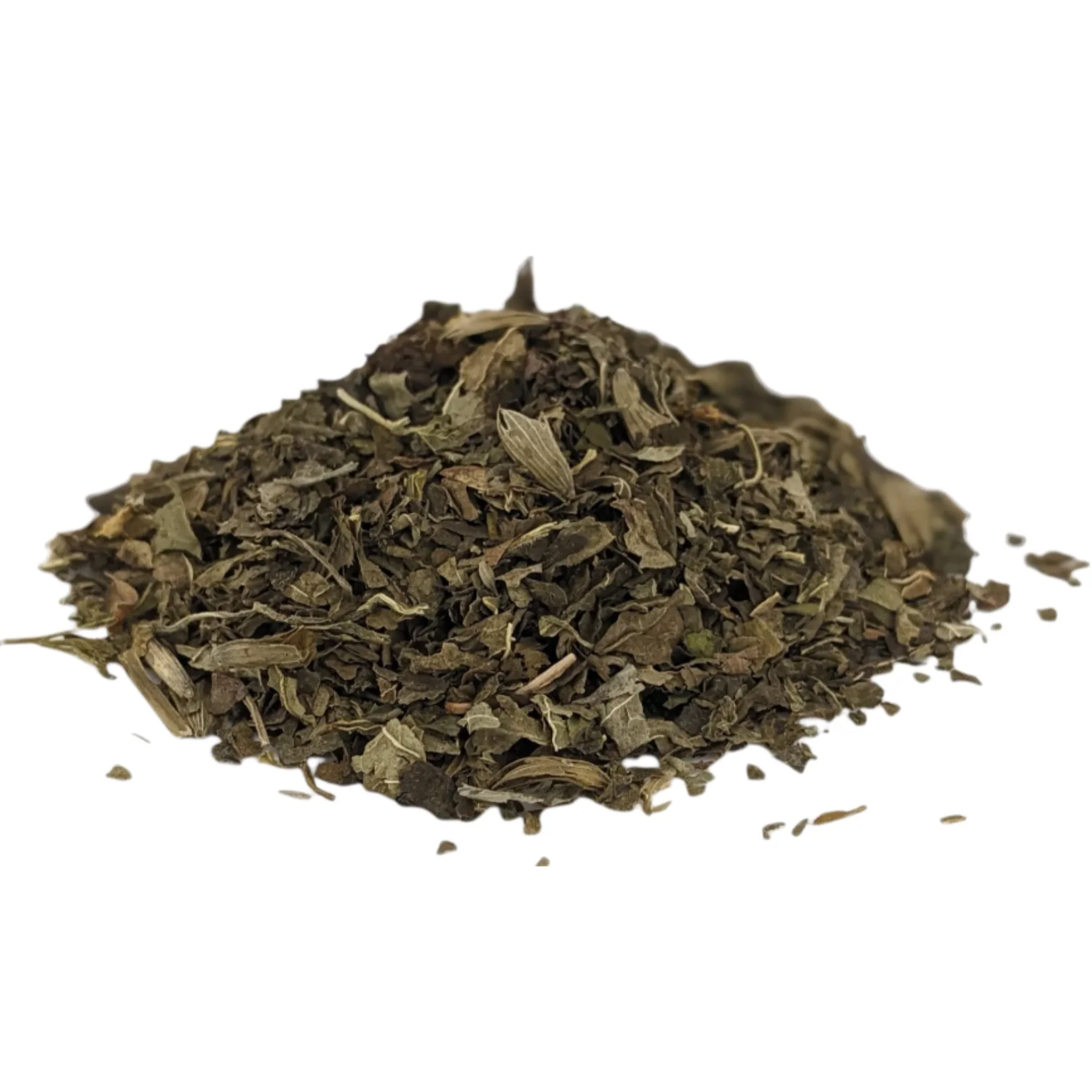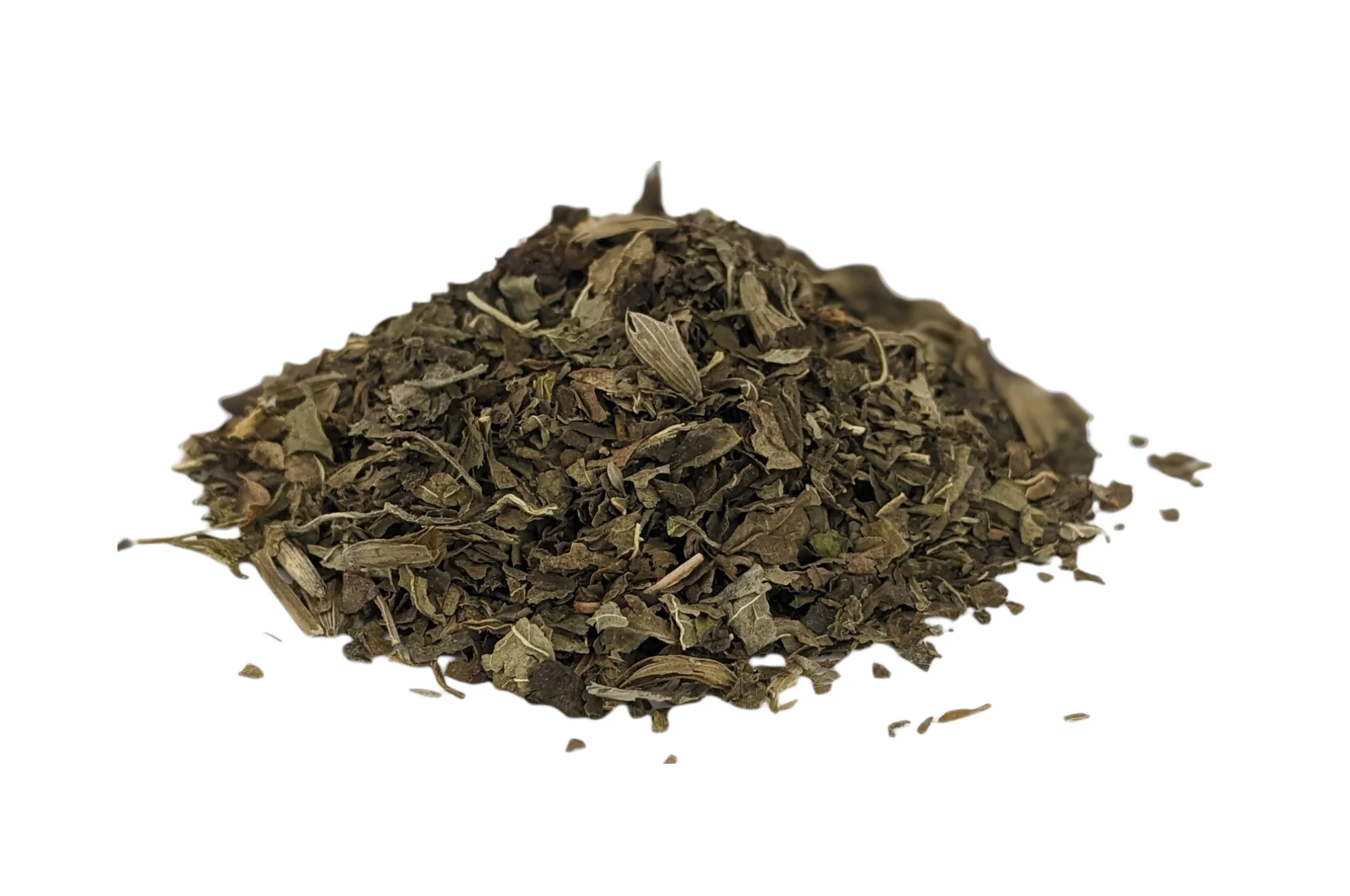
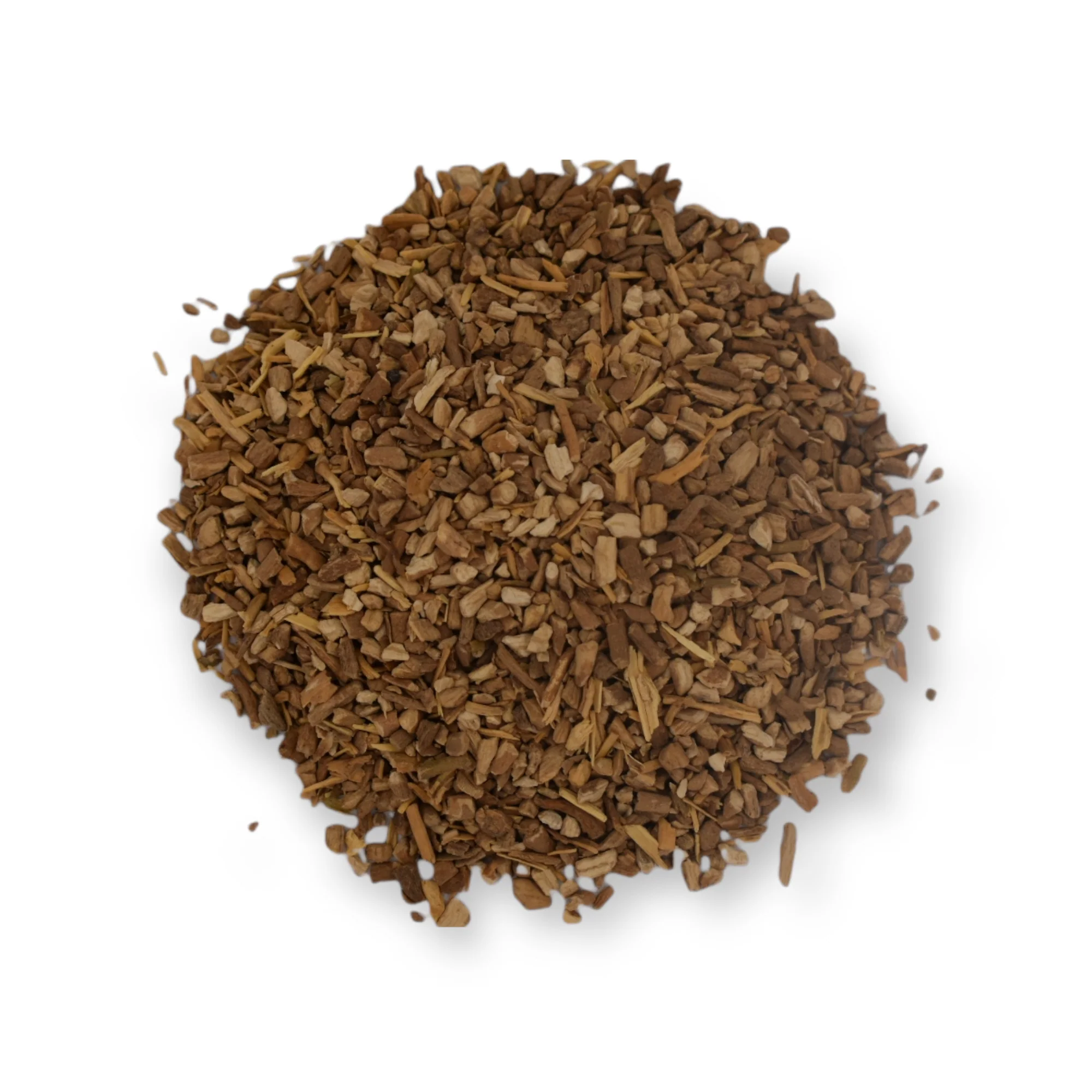
Organic Ashwagandha Root (Withania Somnifera)



- Nourishes and strengthens adrenals, thyroid, and immune function
- Decreases inflammation
- Natural herb for women’s libido
- May aid anxiety and PTSD
Cautions + Considerations:
- Avoid if you are sensitive to nightshades
- Be mindful of drug interactions
- Avoid use during pregnancy
About Ashwagandha
Ashwagandha (Withania Somnifera) is considered n adaptogenic and mood-balancing herb. Adaptogens are thought to provide stress support for a spectrum of people and conditions by simultaneously energizing and calming the body.
FAQ :
Q: How does it taste?
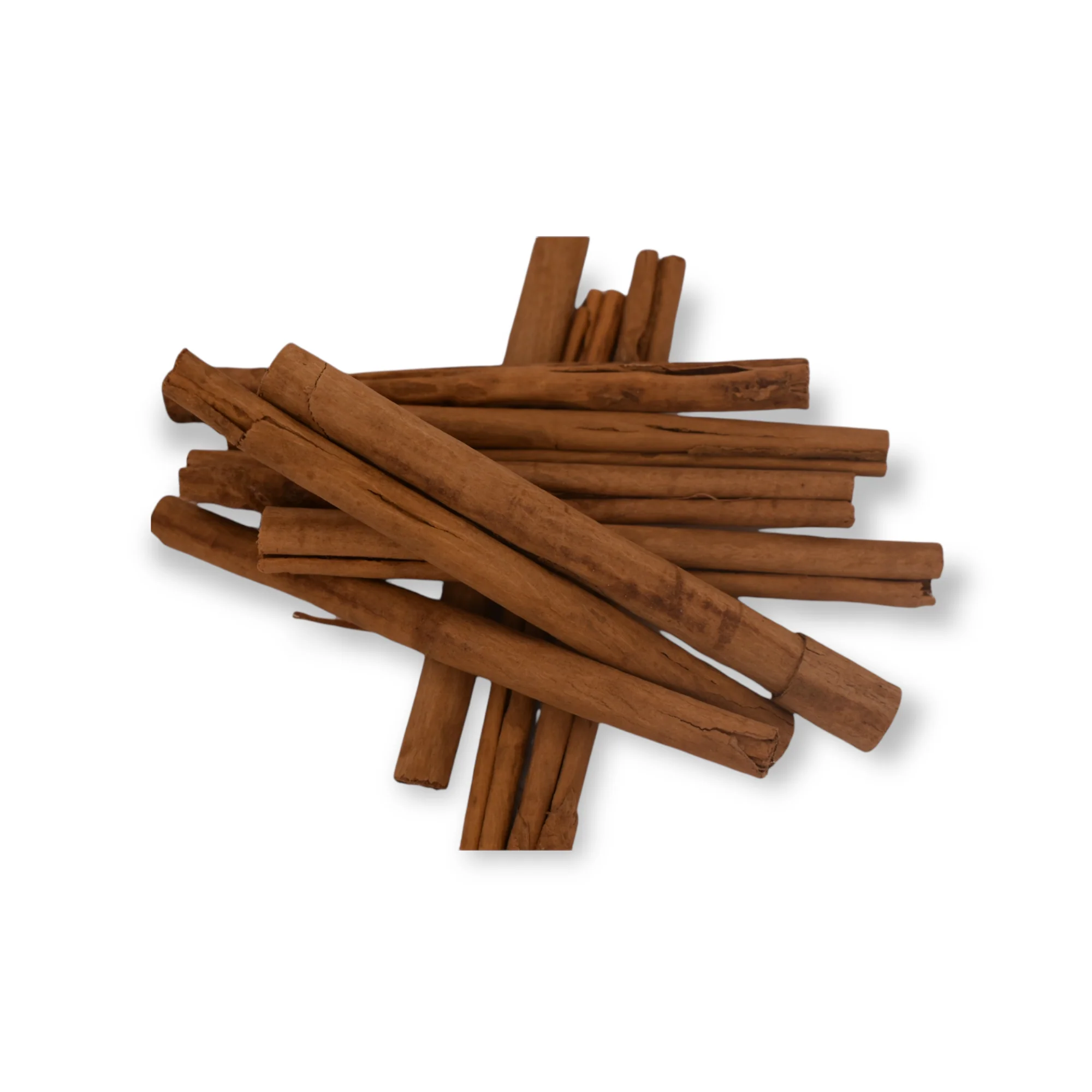
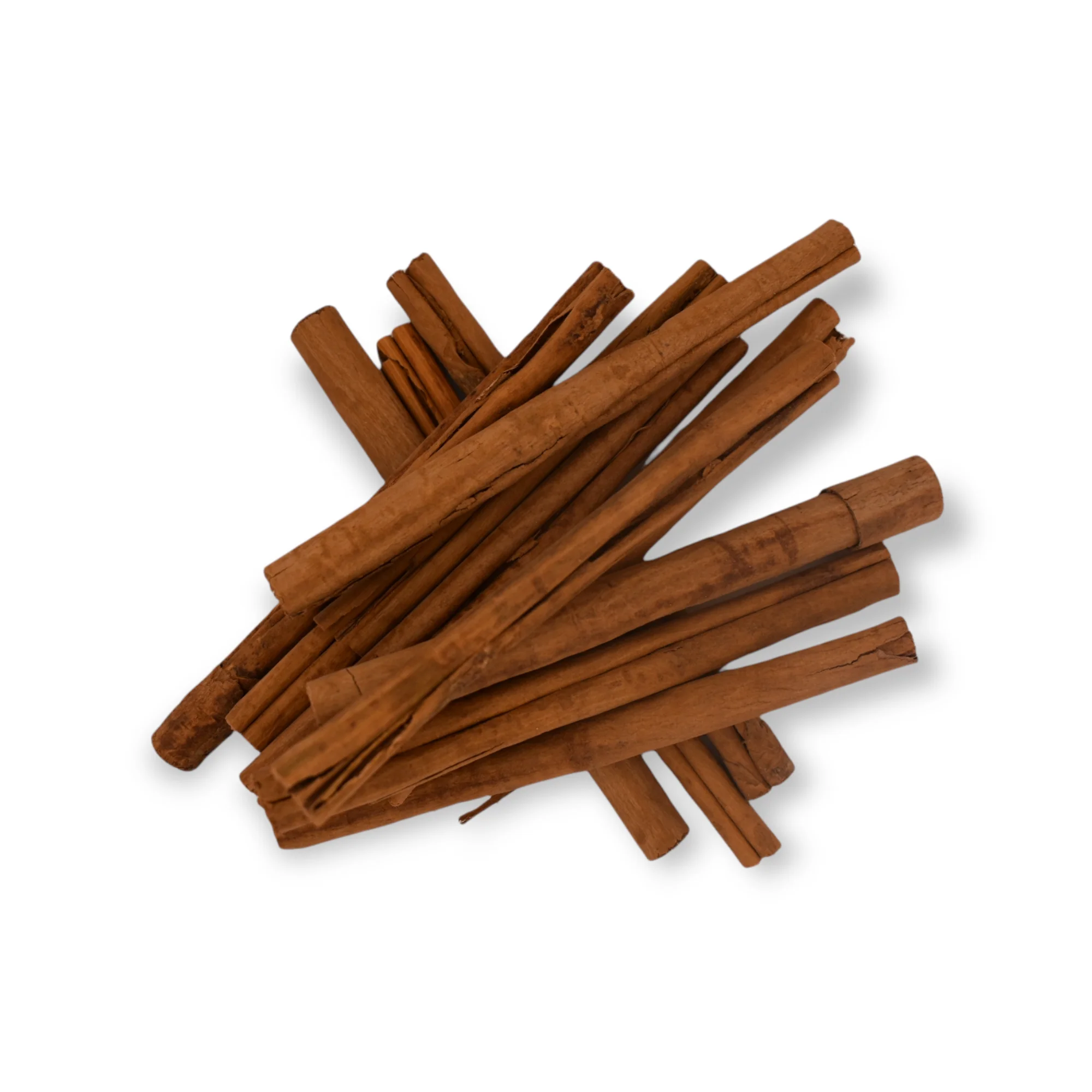
A: Ashwagandha has an earthy/woodsy taste and blends well with spicy herbs like cinnamon.
Q: How many tablespoons of ashwagandha per day?
A: Standard Tea Doses state that 1tsp-1Tbsp dried herb per 8oz of water. 1-3 times a day. But you should always consult with a medical professional before consuming foreign herbs.
Q: Where does ashwagandha grow?
A: In the Middle East and parts of Africa.
Q: Why consume ashwagandha with milk?
A: Ashwagandha can be consumed with dairy and non-dairy milk. The fat content is thought to increase absorption and its benefits due to our nervous systems being naturally lined with fat.
Q: Will ashwagandha keep me awake?
A: No. It's traditionally used as a calming herb or sleep aid.
- Nourishes and strengthens adrenals, thyroid, and immune function
- Decreases inflammation
- Natural herb for women’s libido
- May aid anxiety and PTSD
Cautions + Considerations:
- Avoid if you are sensitive to nightshades
- Be mindful of drug interactions
- Avoid use during pregnancy
About Ashwagandha
Ashwagandha (Withania Somnifera) is considered n adaptogenic and mood-balancing herb. Adaptogens are thought to provide stress support for a spectrum of people and conditions by simultaneously energizing and calming the body.
FAQ :
Q: How does it taste?
A: Ashwagandha has an earthy/woodsy taste and blends well with spicy herbs like cinnamon.
Q: How many tablespoons of ashwagandha per day?
A: Standard Tea Doses state that 1tsp-1Tbsp dried herb per 8oz of water. 1-3 times a day. But you should always consult with a medical professional before consuming foreign herbs.
Q: Where does ashwagandha grow?
A: In the Middle East and parts of Africa.
Q: Why consume ashwagandha with milk?
A: Ashwagandha can be consumed with dairy and non-dairy milk. The fat content is thought to increase absorption and its benefits due to our nervous systems being naturally lined with fat.
Q: Will ashwagandha keep me awake?
A: No. It's traditionally used as a calming herb or sleep aid.
Description
- Nourishes and strengthens adrenals, thyroid, and immune function
- Decreases inflammation
- Natural herb for women’s libido
- May aid anxiety and PTSD
Cautions + Considerations:
- Avoid if you are sensitive to nightshades
- Be mindful of drug interactions
- Avoid use during pregnancy
About Ashwagandha
Ashwagandha (Withania Somnifera) is considered n adaptogenic and mood-balancing herb. Adaptogens are thought to provide stress support for a spectrum of people and conditions by simultaneously energizing and calming the body.
FAQ :
Q: How does it taste?
A: Ashwagandha has an earthy/woodsy taste and blends well with spicy herbs like cinnamon.
Q: How many tablespoons of ashwagandha per day?
A: Standard Tea Doses state that 1tsp-1Tbsp dried herb per 8oz of water. 1-3 times a day. But you should always consult with a medical professional before consuming foreign herbs.
Q: Where does ashwagandha grow?
A: In the Middle East and parts of Africa.
Q: Why consume ashwagandha with milk?
A: Ashwagandha can be consumed with dairy and non-dairy milk. The fat content is thought to increase absorption and its benefits due to our nervous systems being naturally lined with fat.
Q: Will ashwagandha keep me awake?
A: No. It's traditionally used as a calming herb or sleep aid.